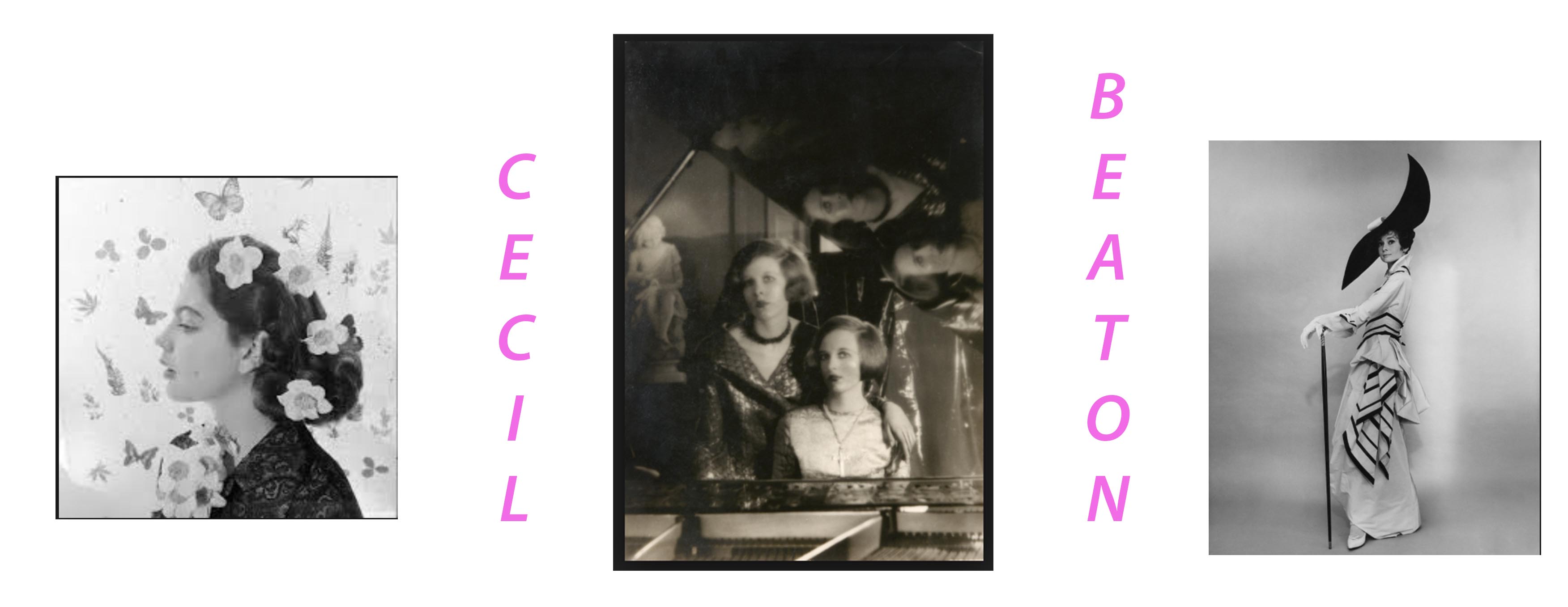
Appointed as the official photographer of the Royal Navy during the Second World War, CECIL BEATON learned the craft of photography at the studio of Paul Tanqueray, until Vogue took him on regularly in 1927. Over the course of his career, he employed both large format cameras, and smaller Rolleiflex cameras. He focused on staging a gripping model or scene and looking for the perfect shutter-release moment. He worked at Vogue, Vanity Fair and has often photographed the Royal Family for official publication.During the war, he produced many fashion portraits of the different women’s naval uniform designs and he sharpened his style and broadened his range. Beaton’s career was restored by the war.
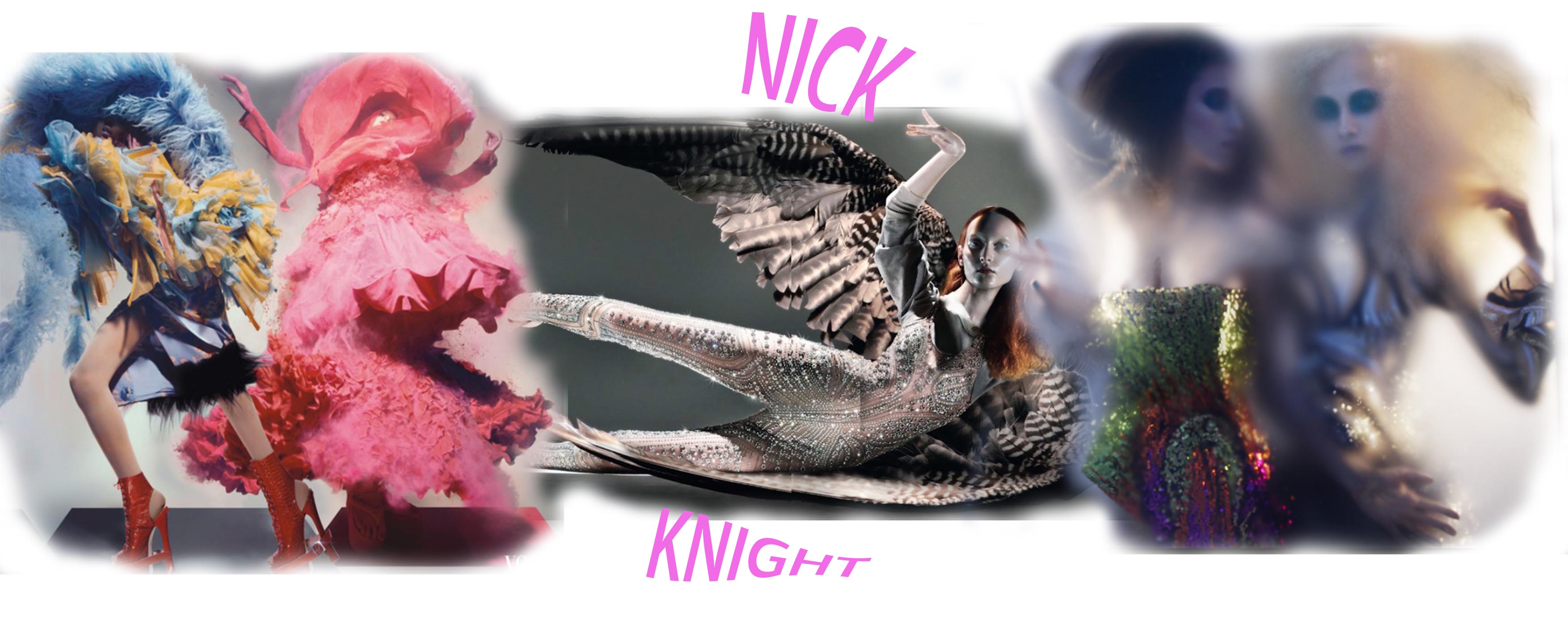
Founder and director of SHOWstudio.com, NICK KNIGHT published his first book of photographs ‘Skinhead’ in 1982 when he was still a student at school. He worked at i-D as an editor as is currently a honorary professor at UAL (University of Arts London). He worked with designers like Yohji Yamamoto, Alexandre McQueen and was commissioned in 2016 to shoot official portraits of portraits of Queen Elizabeth and Prince Charles for the Queen’s 90th birthday. He has a unique approach that not only leads to photography that captures movement but also experimentation with the moving image itself.
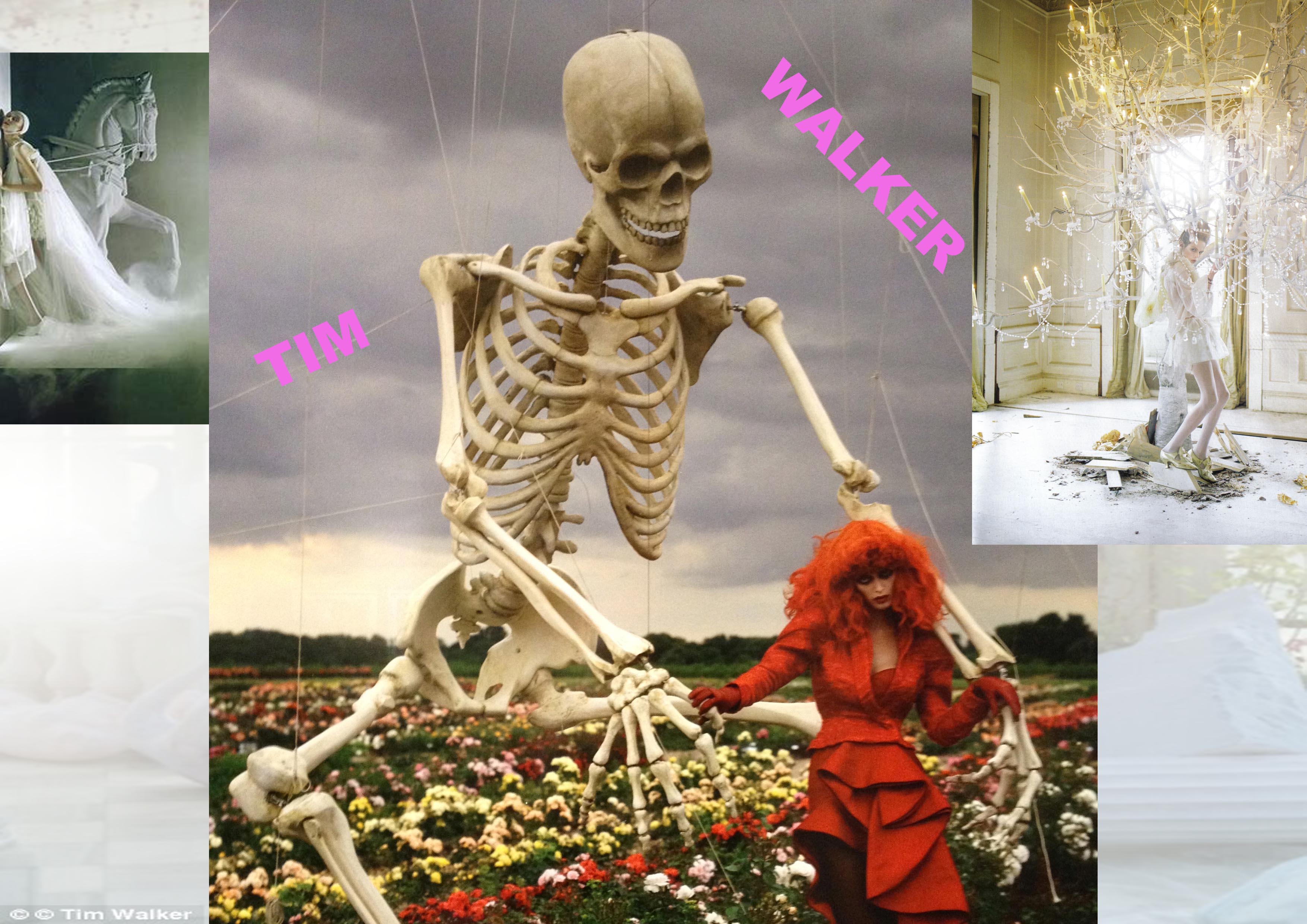
Awarded third prize as The Independent Young Photographer Of The Year, TIM WALKER’s interest in photography began at the Condé Nast library in London where he worked on the Cecil Beaton archive for a year before university. He worked at Vogue, W Magazine and LOVE magazine and staged his first major exhibition at the Design Museum in 2008. He has a theatrical, fantasy-filled photography style that makes him stand out from the crowd.
PHOTOGRAPHIES
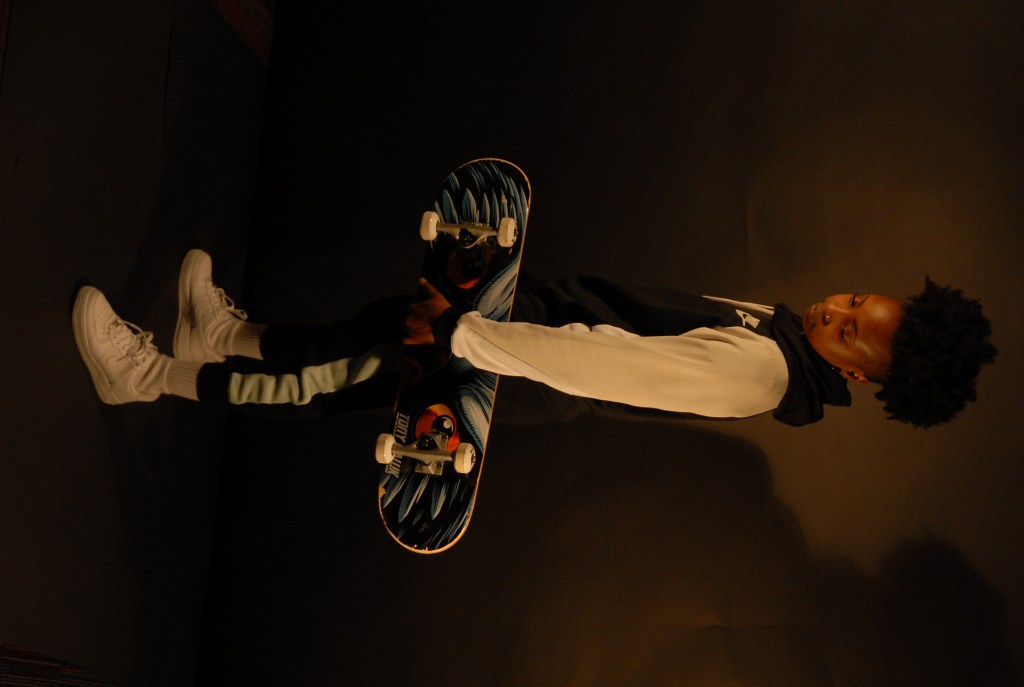
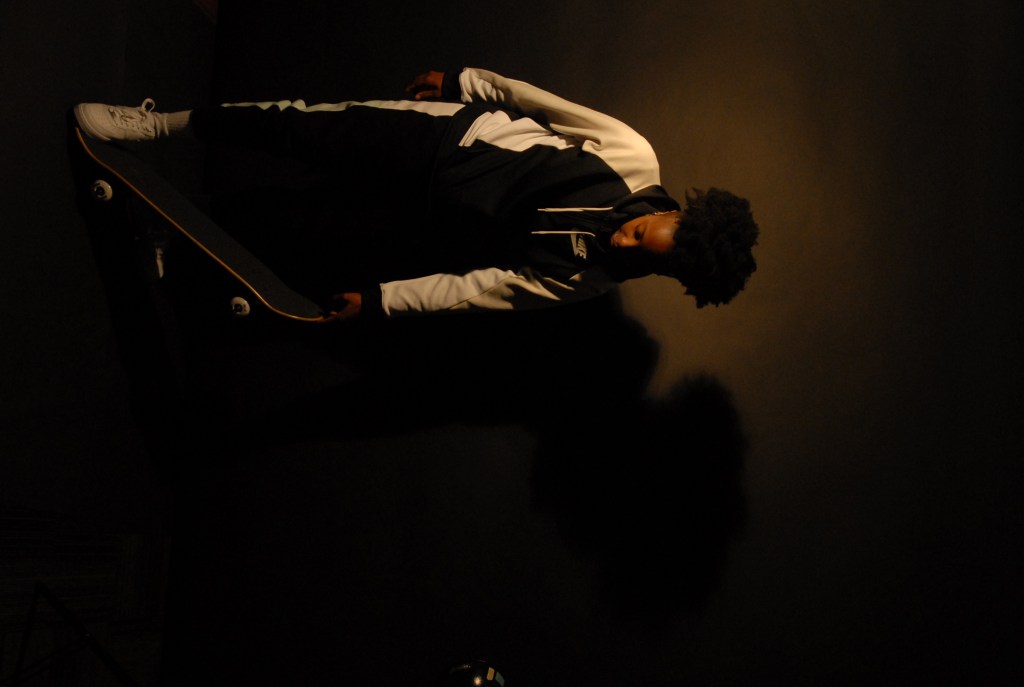
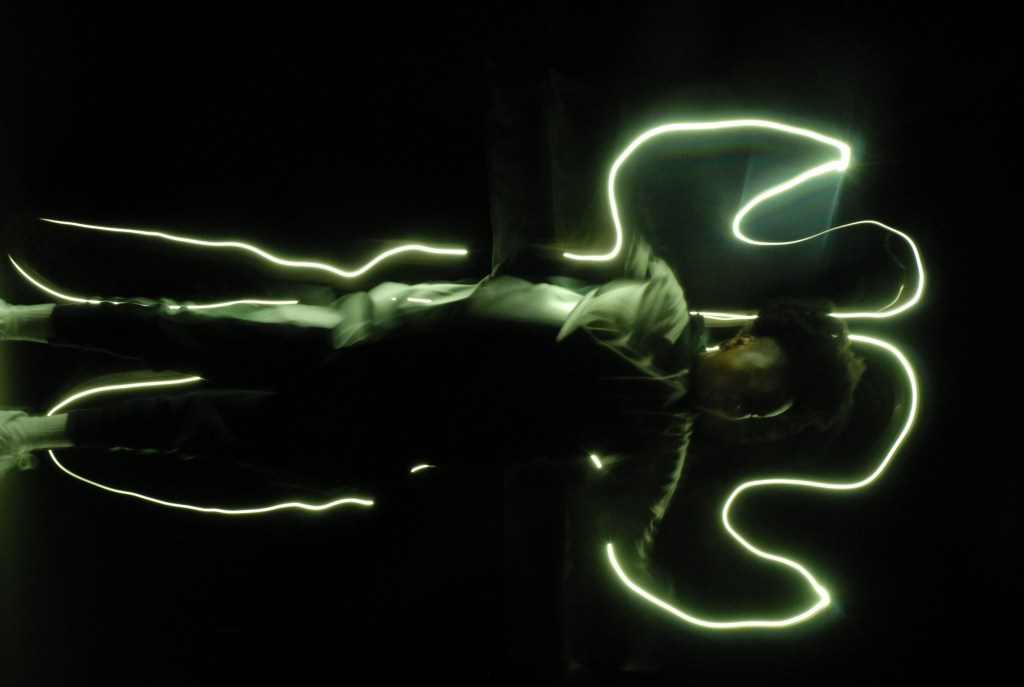
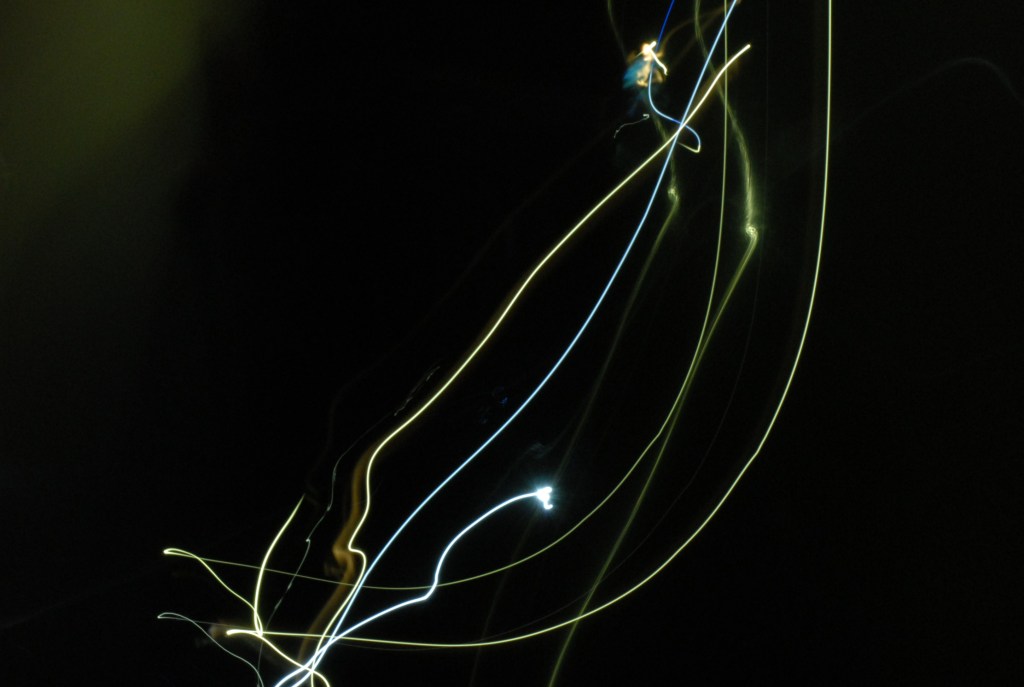
These are some of my own photography experimenting with different shutter speed and aperture, some where taken outside, others on the studio.
The physical Portfolio was created for interview purposes, to show the range of skills I have, bearing in mind the courses and universities I have applied for. Also wanted to express who I am and the areas of design I am interested in.
As there are so many candidates for interview it is important to make your portfolio memorable and unique. In order to make an instant impact, I started with an observational drawing of a skeleton to show drawing skills and how I developed these drawings into design. I discovered that I particularly like designing using collage and using shapes. I also enjoyed printing because I had to explore different techniques and color combinations. I had to think creatively in order to create the applique’ because I wanted to use a drawing of the pelvis bone and transform it in a butterfly. Life drawing was challenging but I managed to create improve my drawing skills by learning how to draw in proportion and at the end I managed to create a good drawing of the model. As sustainability in Fashion is a key point of my future studies and the path I want to follow as a Designer, I also did some printing work and editorial related to that.
All the skills that I gained and the way I mounted my portfolio helped me to create a successful portfolio as I got offered a place in all the universities that I applied for. At the end I decided to accept the university that has a focus on sustainability and have a research centre on sustainability on Fashion.
I felt that I should have more sheets showing my ability to use Digital Imaging (Photoshop) to create designs but I spent too many time helping people finishing their work and also deciding on which of my digital designs I should use that at the end I didn’t think that the work was good enough to be showed as part of my portfolio.
The digital portfolio was created as part of the portfolio development and presentation project and it was send to universities in order to present my work and it was also presented to the class.
It was made with the specifications of the course and universities that I applied for, and the method I choose to present it was by showing my progress from the beginning to the stage we were at the course. I started by presenting some drawings, then some collage (made at life drawing classes), prints, pattern cutting garment and design development sheets (I took inspiration from the work of Henry Matisse, Andy Goldsworthy).
In order to show my digital skills, I included some digital work that I made by using both Photoshop and Illustrator.
I decided to start from black and white pictures and then moving to colours to show the colour progression and I picked some specific coloured work because I think the colours combined to create a good flow.
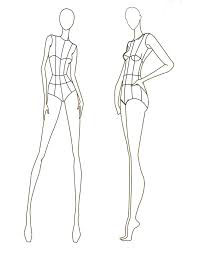
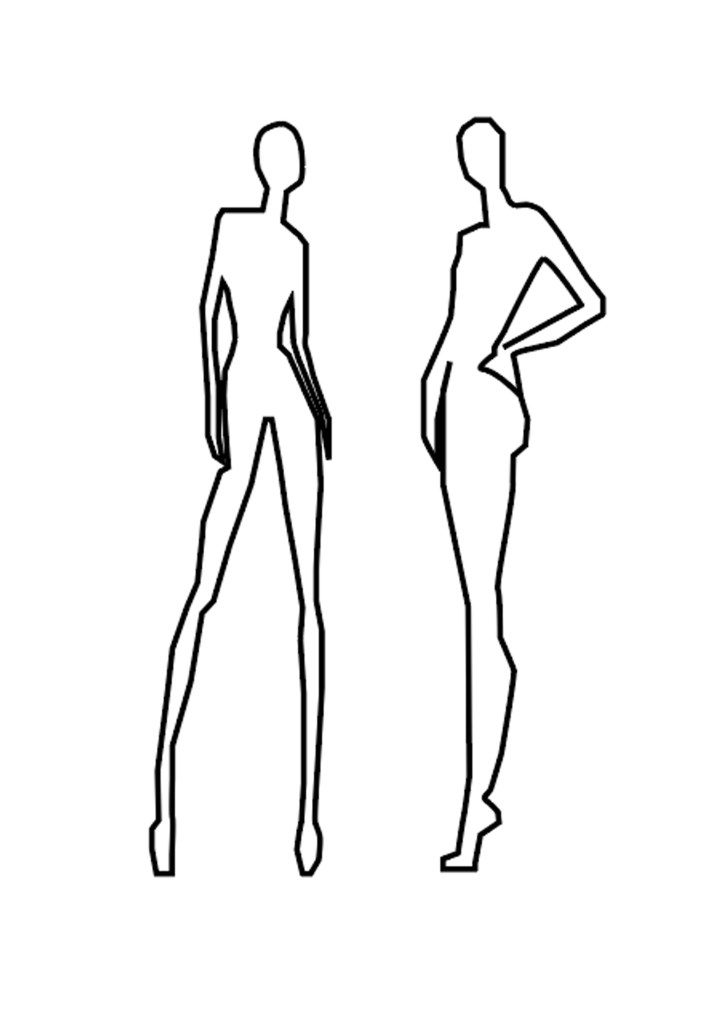
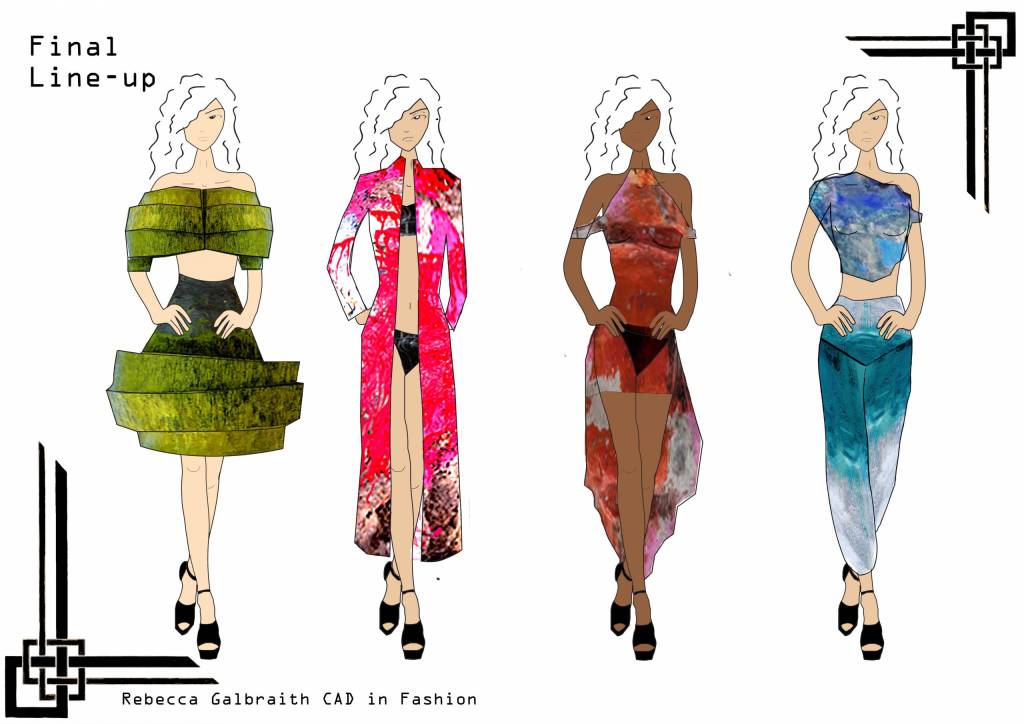
As this was the first time I was using illustrator, the work I produced is very experimental. I was able to easily adapt to the use of the program (Illustrator) and to the tools I was taught. As part of the project, I had to create an illustrated collection line-up. To do so, I first started by researching some fashion templates online. Then, I used the pen tool to draw the figure.
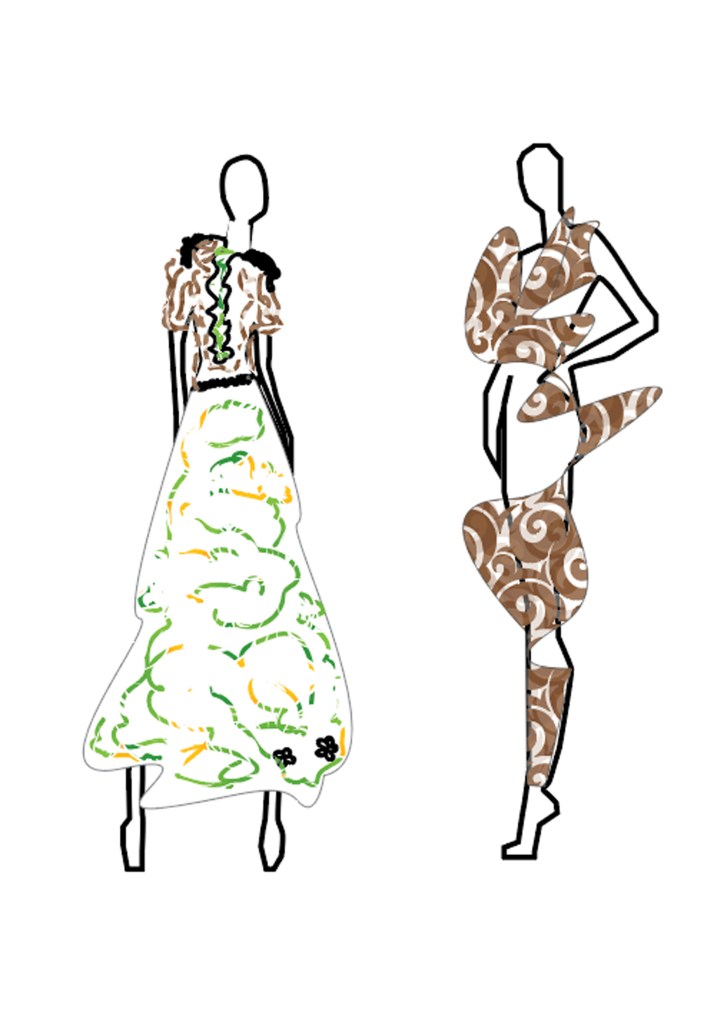
After drawing the figures that I want to use as my sketch models, I draw some garments using the pen tools and the selection tools, experimenting with different shapes and colours. The garments that I first created were very experimental as I was just getting used to the tools, adapting myself to the new skills that I had learned.
After I got more confident on using the pen and selection tools I was able to create better and more like wearable garments by experimenting with different shapes and by adding pattern to the garment using the clipping mask tool. The pattern that I used was previously created on Photoshop as part of the Digital Imaging project and I started by adding it to one of the garments and then, I got inspired by the colours on the pattern to create another garment with similar colours.
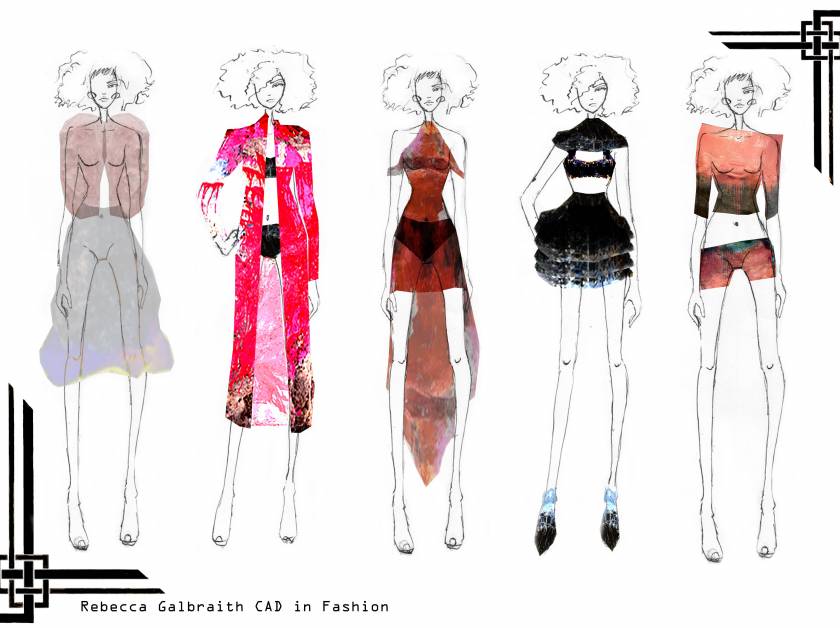
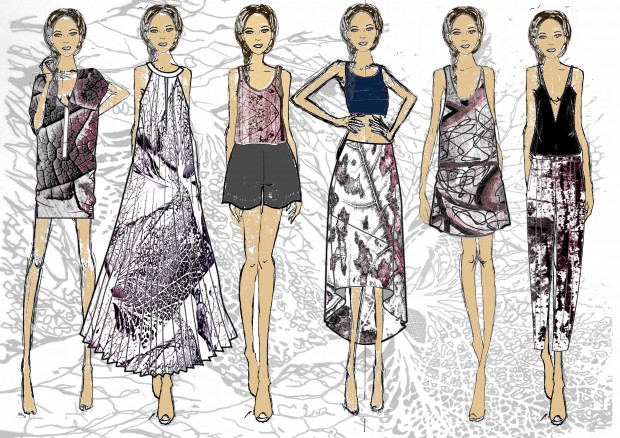
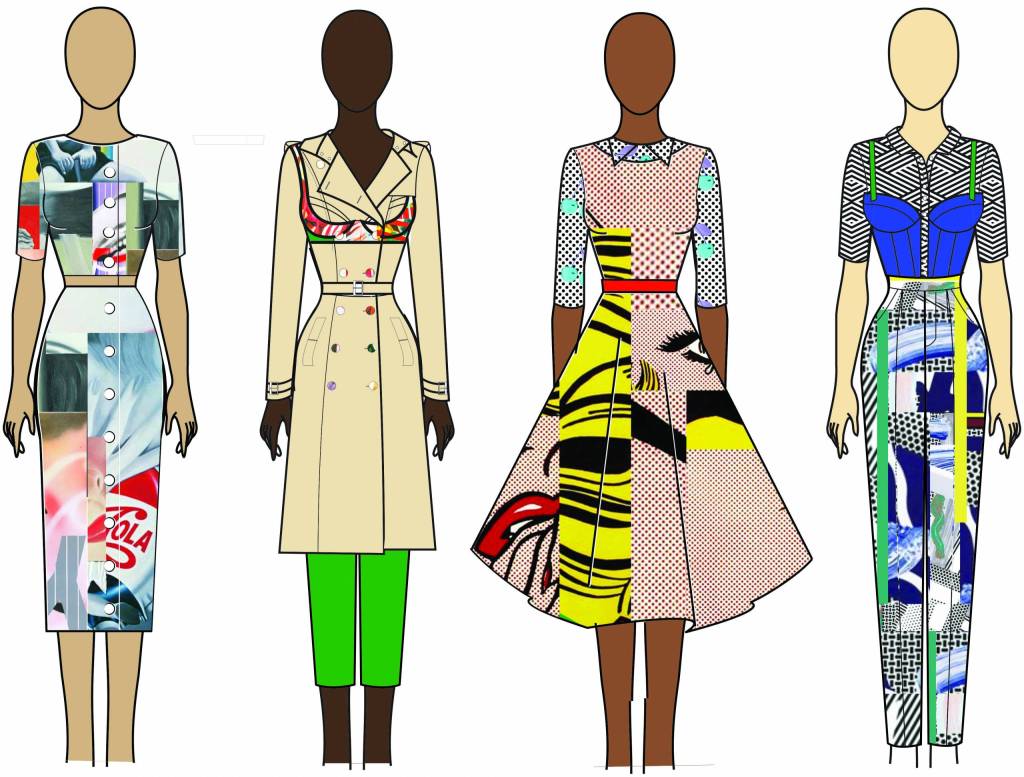
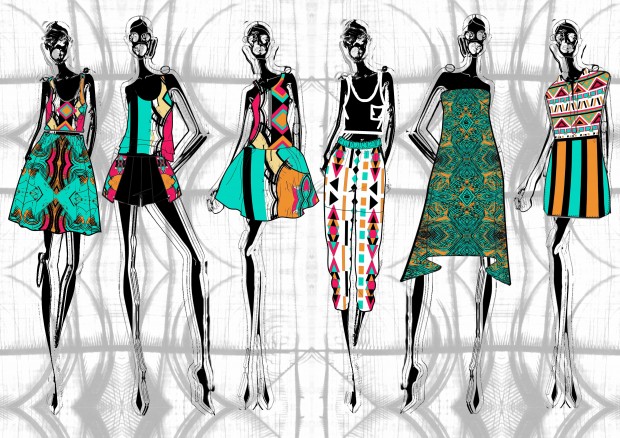
In order to create the collection line-up, I did some research online and ended up choosing the following ones.
I did choose these illustrated collection line-ups because some of them has sketch models, colours, patterns and transparency of some garments that resembles my own illustrations. I did notice that some of the illustrations were much more elaborated then mine (they added hair, skin tone and a face to the sketch models) probably because they first draw the sketch models by hand and then scanned and improved the colours, lines and shapes using computer programs, which is something that I plan to do in the future, in order to improve my work.
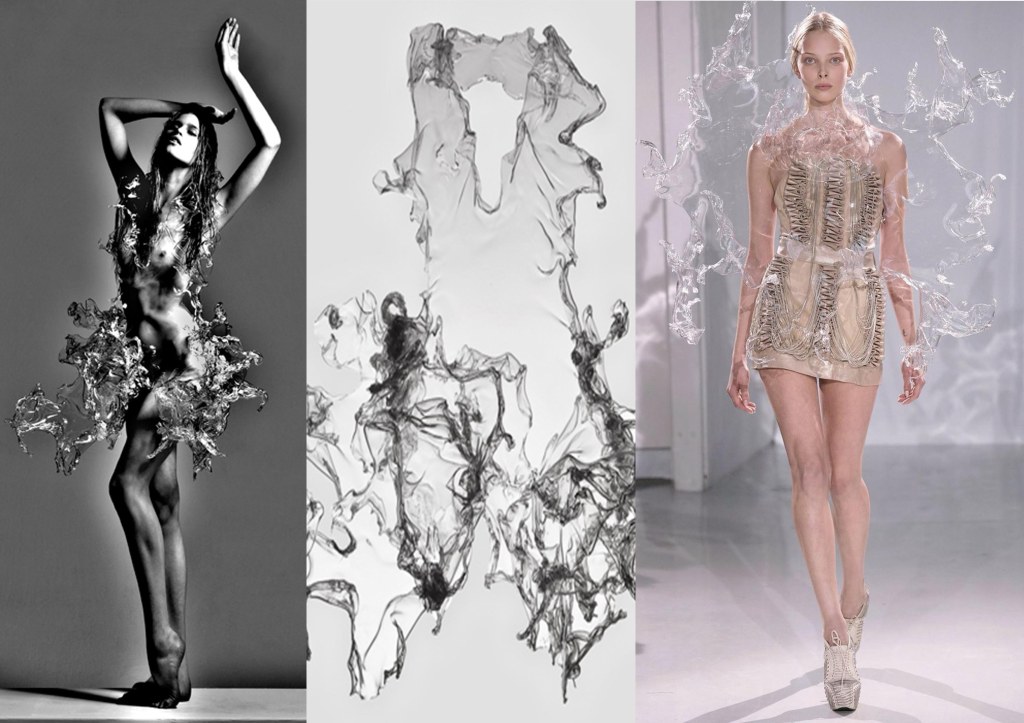
Although I created four garments, I decided to use only the last two because their shape and colours I used reminds me of water and I was also inspired by Iris Van Herpen’s Water Dress.
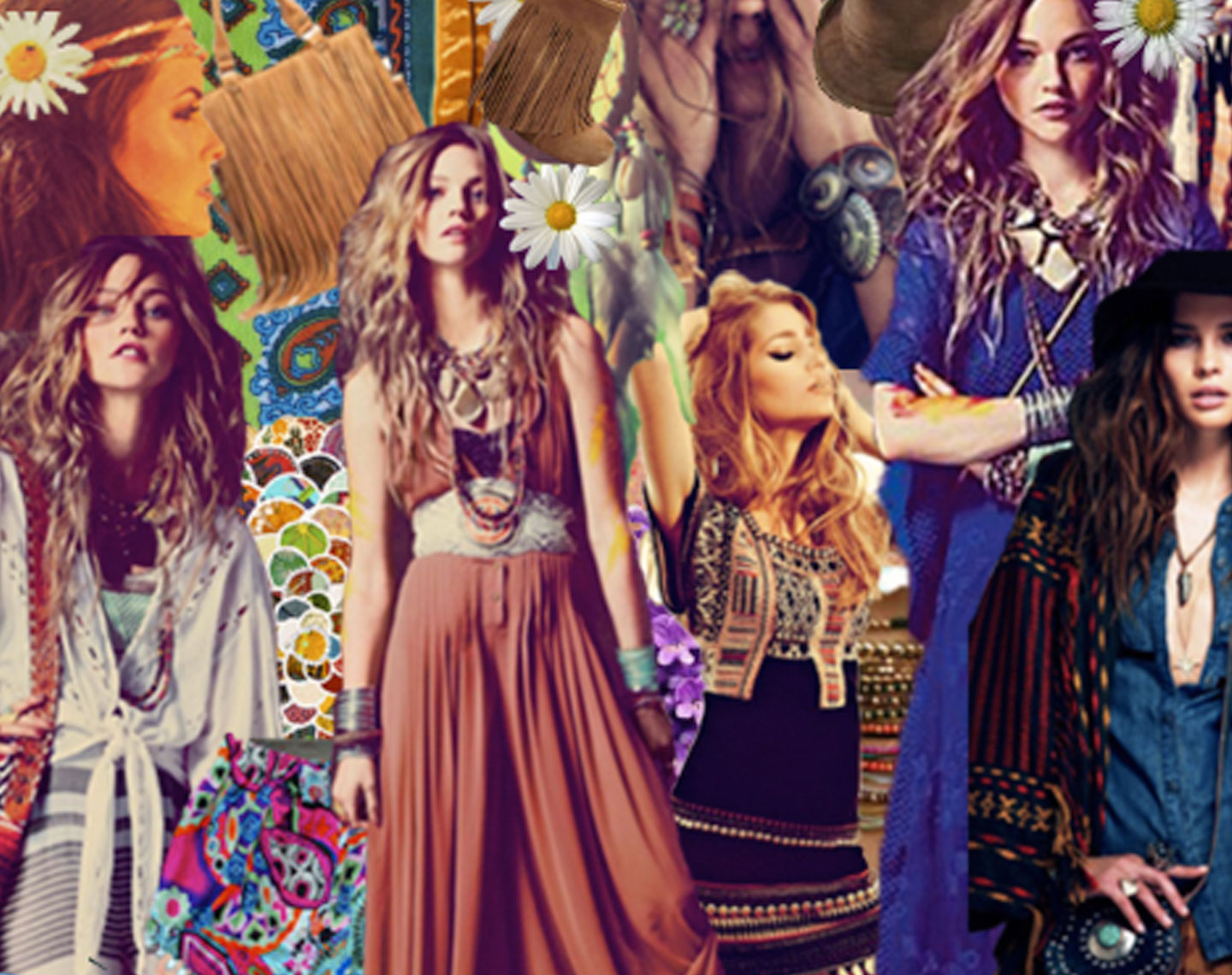
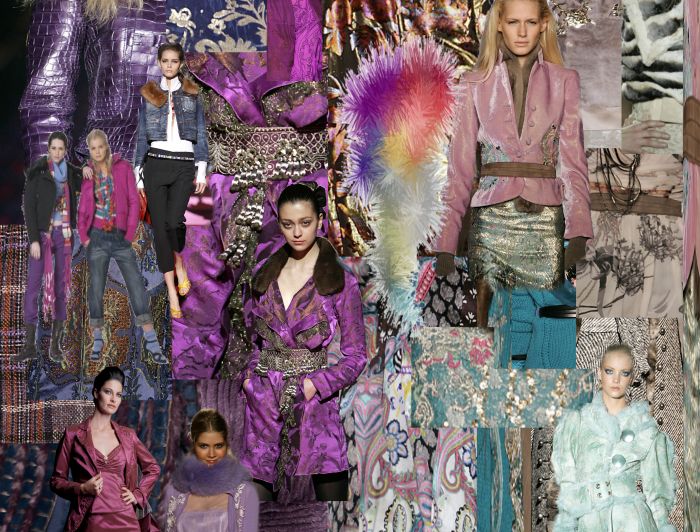
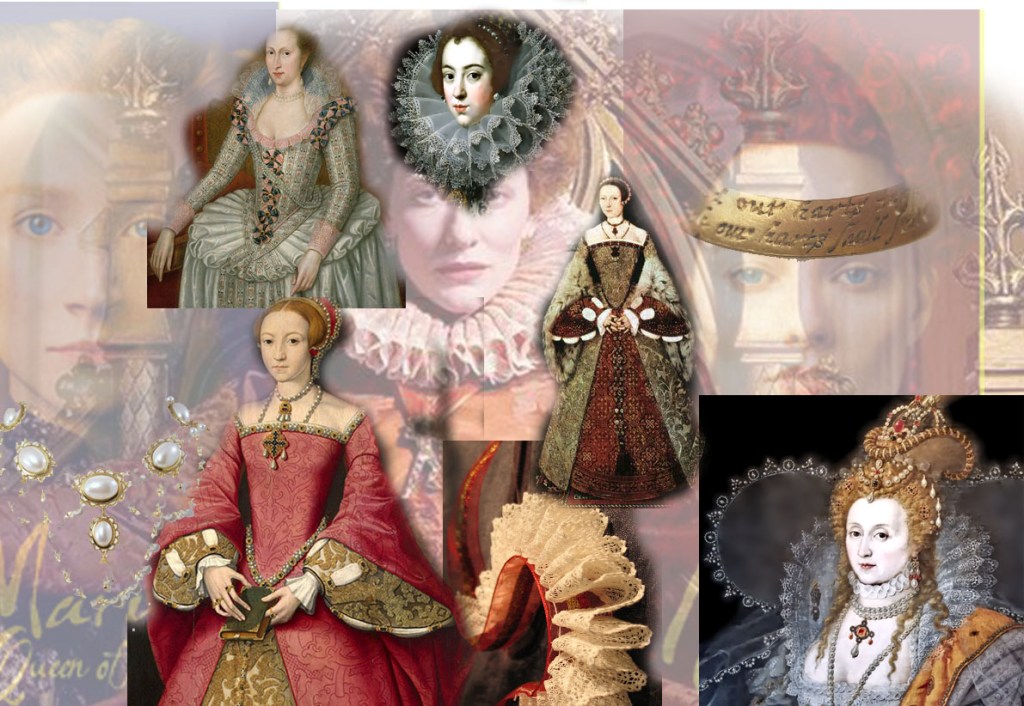
I first wanted to create a mood board inspired on the Tudor era which was one of the themes for my pattern cutting project. After I researched online for some mood board ideas I chose the ones that I thought suited more to the theme, which colours and style (use of a mix of text, some models, jewellery, accessories, patterns and textiles) would allow me to transmit my idea.
After I created these two mood boards I changed my idea because although I liked the layout, the colours and images used and how everything was coming together I found that I was struggling to create a good mood board because I wasn’t inspired by the theme that I chose.
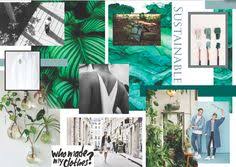
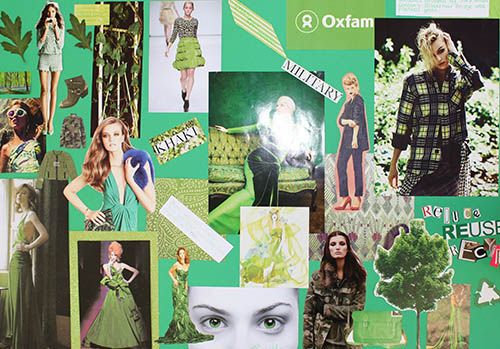
I then decided to create a mood board about sustainable Fashion which is a theme that I am more passionate about and it is a subject I want to pursue on my further studies as a Fashion Designer.
I decided to create a mood board about sustainable fashion because I think that the future of fashion resides on sustainability, and the ability to create good quality garments and products (accessories, etc) without harming the environment. I think anyone working in the Fashion industry (including future designers and the public) should be aware on how fast fashion and other processes of making Fashion is causing a lot of harm on the planet and that it is important to find other ways to make fashion that doesn’t only benefits the clothing companies but the communities and the planet as a whole. Most of the times the companies put their profits above the welfare of people that produce, make and sells their products and the public should be aware of that. In order to make better decisions we must learn about other options like slow fashion, new (eco-friendly) materials and ethical fashion.
To create my mood board on sustainable fashion, I got inspired by the mood boards above, and I chose these mood boards because of the colour palette (that remembers nature), the way that the images and text are harmoniously layered, the use of text with words that related to my theme, the use of natural and urban motifs put together to create the idea of unity and harmony between them (like progress and sustainability together), the images of nature and the way they used images and words together to communicate their ideas.
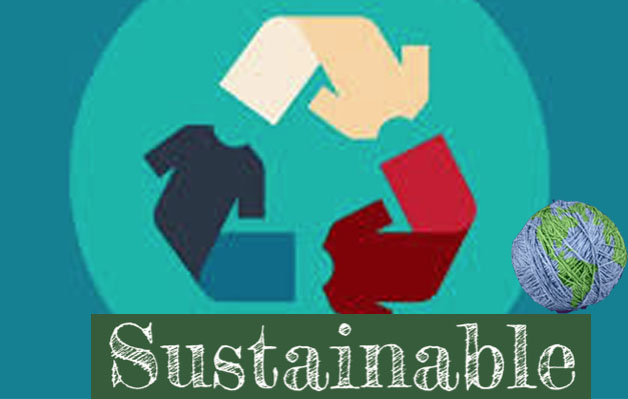
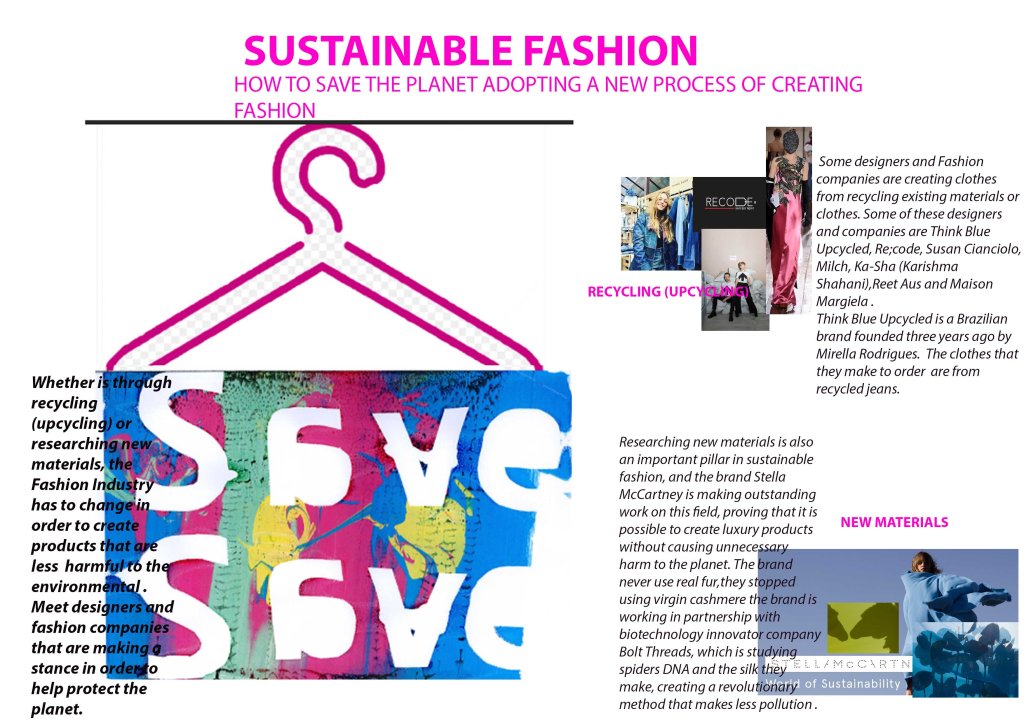
Before I create my editorial, I already knew what theme I want to choose. As my mood board was about sustainable Fashion, I wanted to create an editorial with the same theme, with focus on recycling (upcycling) and the research for new materials.
Regarding to recycling (upcycling) I research some brands that create clothes from recycling existing materials or clothes. Some of these brands are Think Blue Upcycled, Re;code, Susan Cianciolo, Milch, Ka-Sha (Karishma Shahani),Reet Aus and Maison Margiela .
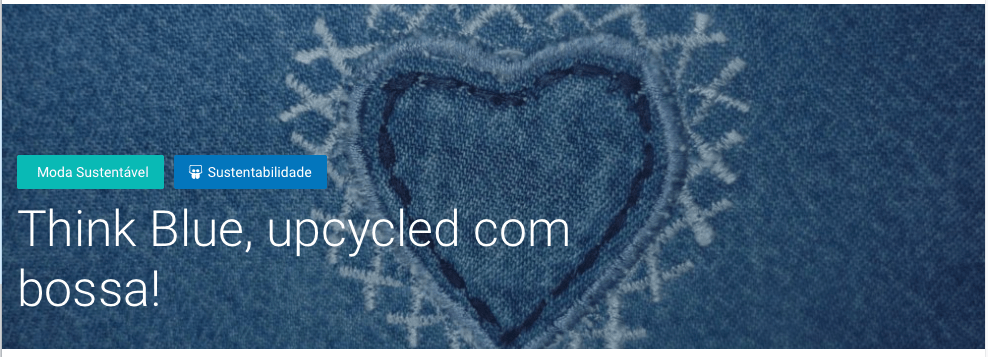
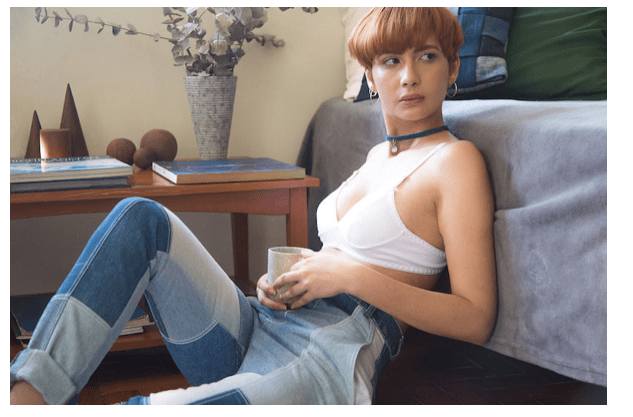
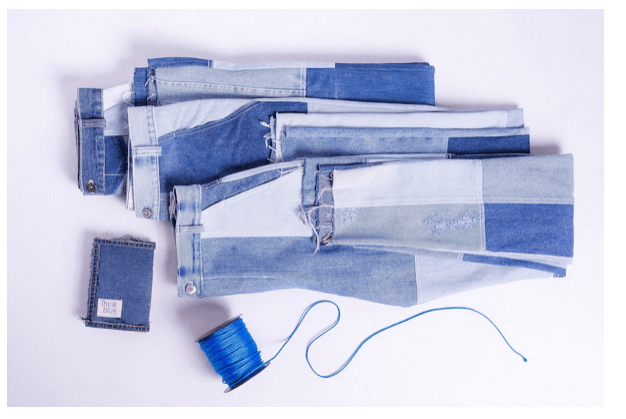
Think Blue Upcycled is a Brazilian brand founded three years ago by Mirella Rodrigues. After graduating and noticing the enormous quantity of jeans in the nearby bazaars (charity shops) and taking into account how polluting and easily disposable the fabric used to make them is, Mirella decided that instead of buying new denim, she would recycle the existing ones (from the jeans) to make new garments. To new garments are made to order. To make the public aware of the importance of rethinking the fashion process, the brand informs their customers on the quantity of water used in each piece, how many pairs of jeans were needed to create it and how many hours the dressmaker took to cut it and sew it.
As someone who wants to focus my studies and future career on sustainability in Fashion, I got inspired by this brand because of the use of found fabric (jeans) which is something that I can easily find (and use) at the college to create my own garments. Also it is a recent brand with few employees whose main focus is to inform the public about the importance of slow and ethical fashion. Another thing that got my attention is the transparency of the brand, they inform the public where they source their material and all the creative process of the garment which, hopefully, will make the consumers think on how many time and work was put in the making of a single garment and how harmful is to nature when they just throw it away.
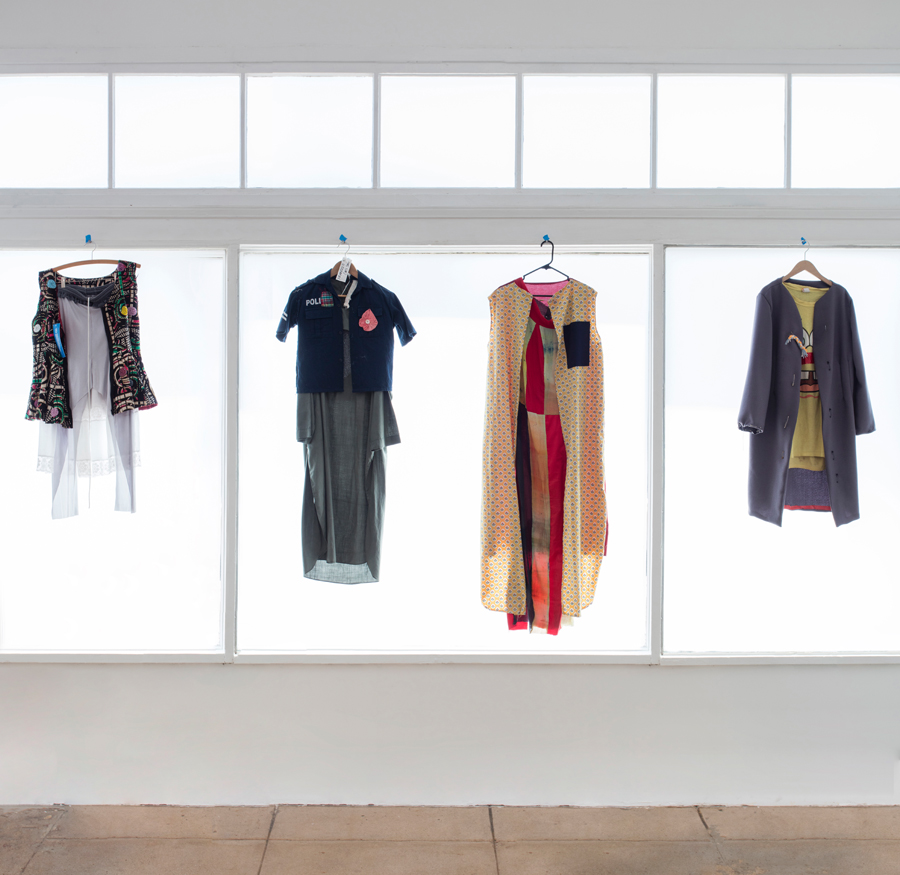
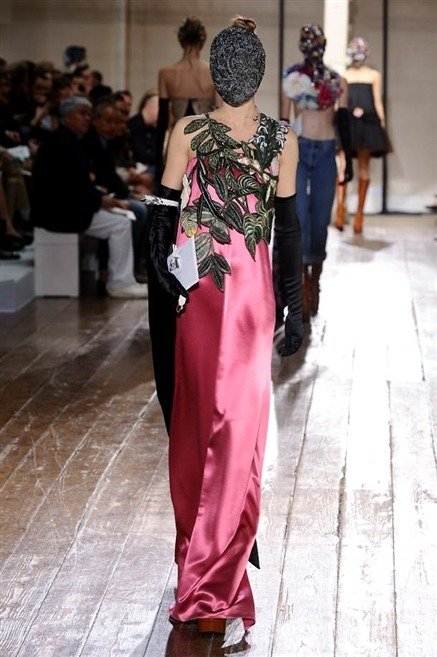
Susan Cianciolo, Milch, Karishma Shahani (Ka-Sha) and Maison Margiela has also designed collections that are made from found or recycled garments and textiles, giving the garment more character and ensuring each piece is unique (like the gorgeous pink dress made from embroidered vintage panels by Maison Margiela).
Brands that are making a similar work are also RE;CODE (Korean brand launched in 2012, specialized on upcycled fashion, they make clothes using a broad range of materials, like military fabrics, tents, uniforms, parachutes and used car airbags. They work with independent emerging designers giving them opportunities to promote their work. Usually the designs are produced in highly limited numbers-maximum of 6 in any style), REET AUS (dedicated to slow and ethical fashion, they developed an industrial method that enables the leftover materials back to production inside the same factory, making that each garment in their collection saves on average 75% water and 88% energy).
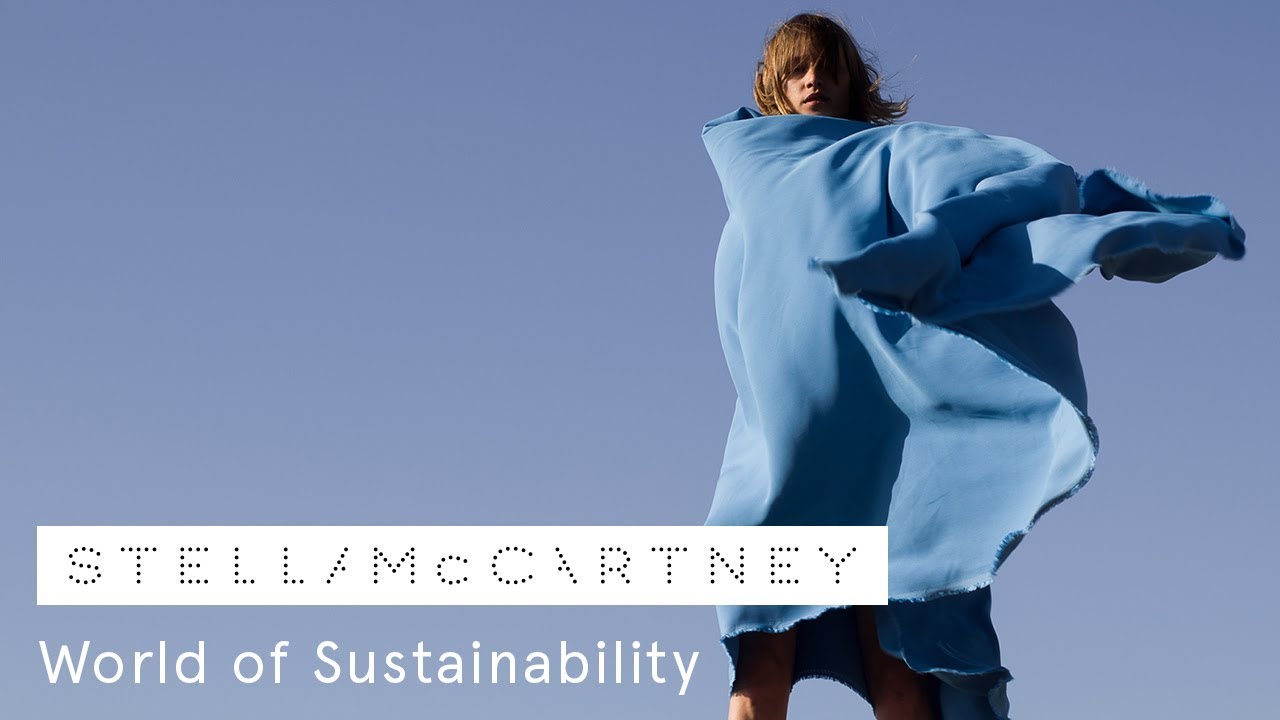
Researching new materials is also an important pillar in sustainable fashion, and the brand Stella McCartney is making outstanding work on this field, proving that it is possible to create luxury products without causing unnecessary harm to the planet. The brand never use real fur, they use faux fur instead (and due to the fact that the material non-biodegradable, it encourages customers to care for their garments and avoid throwing them away), they stopped using virgin cashmere and start using engineered cashmere made from post-factory cashmere waste and the leather used on their collections is vegetarian leather made from recycled polyester. Also, they use organic cotton (which is less harmful to the environment then the conventional one) and the wool used to make the garments is sourced from a small group of hand-selected farms that had achieved Gold-level Cradle to Cradle Certification. Another important step is the research on a new way of producing silk, the brand is working in partnership with biotechnology innovator company Bolt Threads, which is studying spiders DNA and the silk they make, creating a revolutionary method that makes less pollution and long-term sustainability.
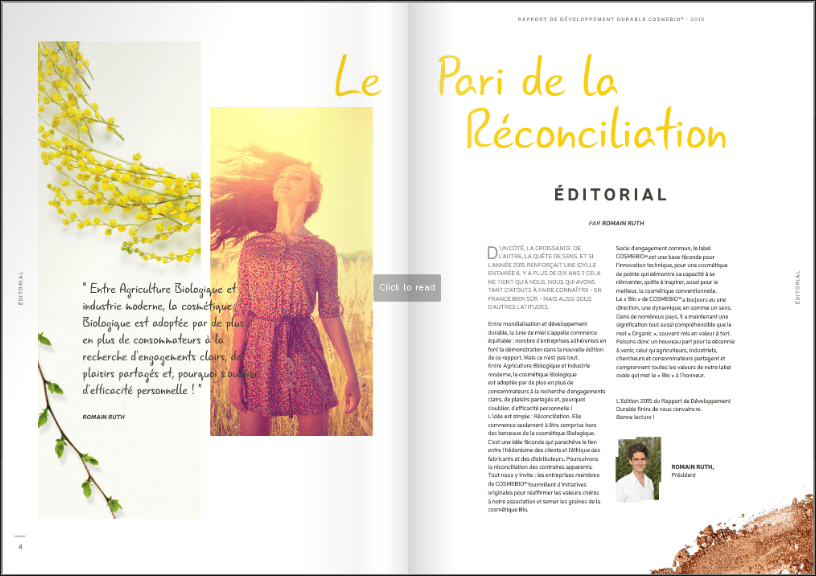
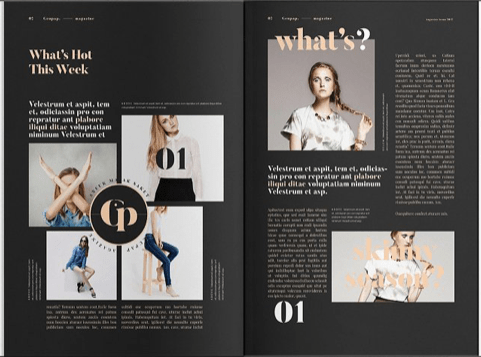
To decide how I wanted my editorial to look like, I researched some editorials and ended up creating an editorial that is the mix of the two editorials above.
I chose this two editorials because of their layouts; and one of them use a strong central image with a bold title which, in my opinion, captures the attention of the reader to the message they want to transmit; and the other has quite a few images and text which I think would allow me to give more information and details on the brands that use upcycling and research for new materials in order to create a sustainable fashion.










 Portfolio Development